From Starter Boutique to Beauty Empire: Mastering Wholesale Cosmetics and Hair Products
1. The Evolution of Boutique Beauty Retail
The global beauty, cosmetics, and personal care industry has undergone a monumental transformation over the past decade. Propelled by digital-first consumer behaviors, social media creator economies, and an escalating cultural demand for self-care, personalization, and grooming, the beauty retail landscape has evolved from a traditional brick-and-mortar luxury domain into an agile, multi-channel powerhouse. Today’s consumers no longer view cosmetics, skin care formulations, fragrances, hair extensions, and beauty tools as luxury commodities reserved for special occasions; instead, they regard them as daily essentials for personal expression, identity curation, and confidence.
For boutique owners, e-commerce startup founders, salon operators, and ambitious multi-channel merchants, transitioning from a modest local starter boutique into a thriving, recognized beauty empire is a journey defined by strategic clarity, operational discipline, and flawless supply chain execution. Sourcing subpar cosmetic formulations, failing to navigate minimum order quantities (MOQs), or ignoring shifting global consumer trends can rapidly compress profit margins, stall cash flow, and result in unmanageable deadstock. Conversely, identifying, partnering with, and scaling through reliable wholesale providers ensures robust inventory turnover, high average order values (AOV), and enduring brand equity among discerning shoppers.
This comprehensive guide serves as your definitive roadmap to mastering wholesale cosmetics, fragrances, hair goods, and accessories. Whether you are currently operating a neighborhood specialty shop or scaling an international e-commerce brand, this manual provides the tactical frameworks, strategic insights, and operational benchmarks required to build a lasting beauty empire.
2. Deconstructing the Scaling Blueprint: From Starter to Empire
Scaling a retail business requires an acute understanding of the structural stages of growth. Every major beauty empire began as a small boutique navigating initial capital constraints, customer acquisition hurdles, and vendor negotiations. To successfully bridge the gap between a starter operation and a regional or global brand, founders must systematically evolve their operational frameworks across four critical pillars: inventory curation, supplier consolidation, brand differentiation, and omnichannel distribution.
In the early stages of a boutique lifecycle, retailers often rely on localized or spot-market purchasing, accepting higher wholesale unit costs in exchange for low initial purchase quantities. While this preserves cash flow during startup phases, it ultimately caps profit margins as the business matures. Transitioning to an empire model demands direct engagement with premier global B2B platforms and manufacturing partners. By centralizing procurement, securing volume-based tiered pricing, and implementing rigorous quality control protocols, scaling retailers can dramatically lower their cost of goods sold (COGS) while upgrading product quality.
Furthermore, modern consumers expect cohesive brand storytelling. Whether shopping online via social commerce channels or walking into a physical flagship store, customers look for alignment between product efficacy, aesthetic packaging, and ethical manufacturing standards. Building an empire means shifting from a generic reseller model to a curator of specialized, high-performance beauty solutions.
3. Core Cosmetics and Packaging Foundations
Establishing a high-performance retail collection begins with mastering the foundational categories of color cosmetics, lip products, and professional presentation accessories. These categories form the daily routine of millions of consumers and generate steady, predictable foot traffic and digital conversion rates.
When curating a foundational catalog, partnering with reliable sources for
Lip Products and High-Margin Glosses
The lip category remains one of the most impulse-driven, fast-moving segments in retail cosmetics. Consumers frequently collect multiple finishes and shades, ranging from matte liquid lipsticks to ultra-shiny plumping treatments. Incorporating diverse
Professional Presentation and Packaging
Product presentation dictates perceived brand value and unboxing psychology. Whether you are assembling custom beauty kits for holiday retail or packaging private-label formulations, utilizing durable, professional-grade containers is vital. Sourcing reliable
Travel Accessories and Organization
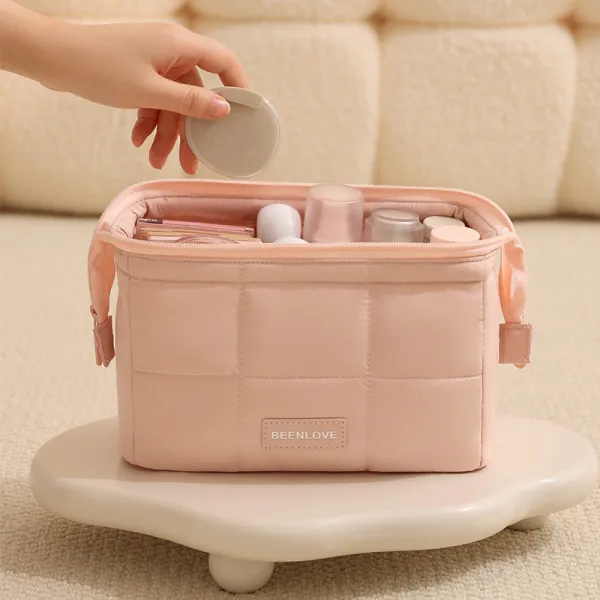
Beauty consumers own expansive collections of products that require functional organization for daily commuting, gym use, or international travel. Offering durable, stylish storage solutions is an effortless way to boost average basket sizes. Stocking versatile
4. Maximizing Profit Margins Through Fragrances and Scents
Fragrance is an intimate, emotionally resonant category characterized by fierce brand loyalty, high perceived value, and exceptional repeat purchase rates. Because liquid scents command strong emotional attachments, expanding your retail inventory to include diverse fragrance profiles can dramatically elevate your average order value (AOV) and transform your boutique into a premier gifting destination.
Mini Fragrances and Portable Scents
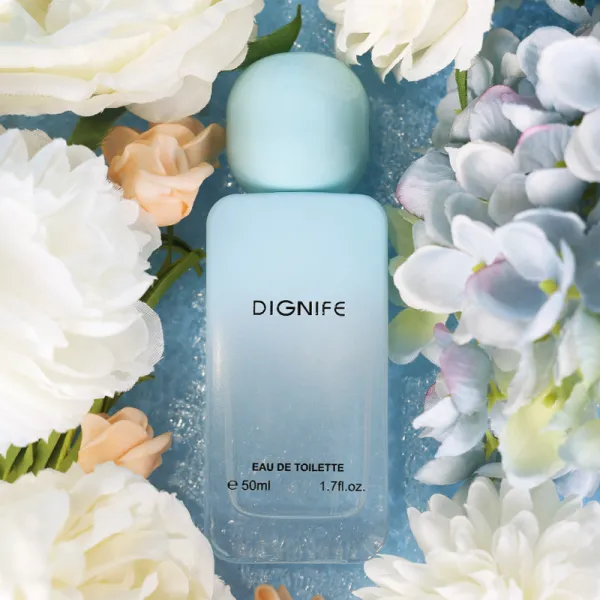
Modern consumers increasingly favor convenience, accessibility, and travel-friendly formats. Offering curated
Men’s and Women’s Perfume Collections
A comprehensive fragrance department must cater to diverse demographic preferences across genders. Stocking dedicated lines of
Concentrated Scent Oils
For consumers seeking long-lasting, alcohol-free fragrance alternatives, concentrated oils have surged in popularity. Sourcing pure
5. Dominating the Hair Care, Extensions, and Wig Markets
The hair care, extension, and wig market represents a multi-billion-dollar global industry characterized by high customer retention and substantial repeat business. Whether catering to everyday protective styling, theatrical transformations, or natural hair enhancement, stocking premium hair goods is a proven growth strategy for scaling retail brands.
Wigs and Ready-to-Wear Hair Solutions
Wigs have evolved from medical or theatrical necessities into premier fashion accessories. Sourcing versatile
Specialized Braiding Hair
Protective styling, particularly knotless braids, box braids, and intricate cornrows, remains perennially fashionable. Stocking high-grade
Hair Extensions and Length Enhancements
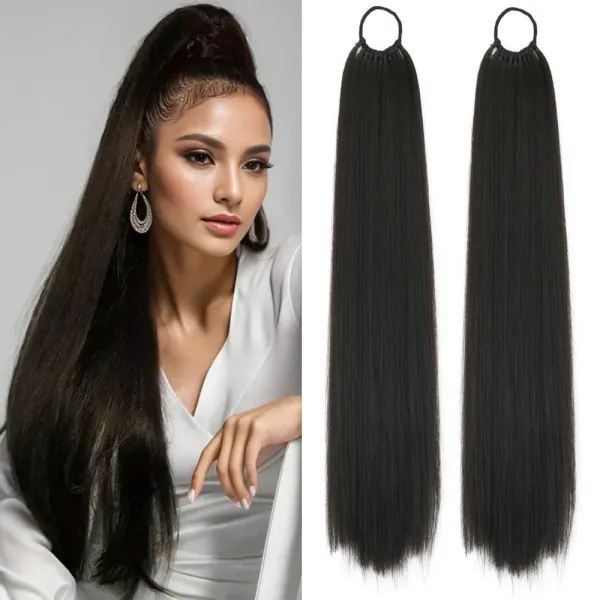
For customers seeking permanent or semi-permanent length and volume, hair extensions are a staple investment. Partnering with reputable providers for
Professional Salon Tools and Equipment
Beyond hair fiber, salons and home stylists require robust mechanical support. Equipping your retail store with essential
6. Operational Logistics, Safety Compliance, and Risk Management
Building and scaling a profitable beauty retail empire requires rigorous operational discipline and financial management. Sourcing high-margin products is only half the battle; how you manage inventory turnover, regulatory compliance, supply chain logistics, and cash flow determines ultimate financial success.
Regulatory Compliance and Safety Standards
Cosmetics, skin care products, topical formulations, and hair treatments are subject to stringent international safety regulations regarding ingredient safety, heavy metal testing, microbiological purity, and allergen labeling. When vetting wholesale suppliers, always demand certified testing documentation, Good Manufacturing Practice (GMP) certificates, and ingredient safety data sheets (SDS) to protect your brand from catastrophic liabilities, legal disputes, and costly product recalls.
Vetting Suppliers and Evaluating Capabilities
When searching for wholesale manufacturing partners, buyers must look beyond initial digital catalog appeal. Always request physical pre-production samples to evaluate color pigmentation, scent longevity, wig cap construction, hair extension texture retention, and container durability. Verify that potential suppliers enforce strict ethical labor standards, transparent pricing models, and reliable production capacities that can scale alongside your growing enterprise.
Lead Time Management and Phased Inventory Strategy
Beauty products and seasonal cosmetic collections operate on strict calendar timelines, from spring pastel launches to winter holiday gift sets. Sourcing professionals must factor in production lead times, raw material procurement phases, and international shipping durations. To mitigate financial risk, retailers should adopt a phased inventory strategy: start with small-batch spot wholesale orders to test market response before committing to large-scale seasonal production runs. This approach prevents deadstock and keeps working capital fluid.
7. Building a Resilient, Future-Proof Beauty Enterprise
Transitioning from a starter boutique into a dominant beauty empire is a deliberate, multi-stage journey that combines macro-trend awareness, strict safety compliance, digital platform navigation, and disciplined supply chain management. By partnering with trusted B2B ecosystems, balancing daily beauty staples with high-margin specialty items such as luxury fragrances, human hair extensions, and professional tools, retail entrepreneurs can build a resilient, highly profitable enterprise.
Embrace strategic supplier vetting, prioritize uncompromised safety standards, and position your brand for sustainable, long-term growth in the competitive global beauty retail marketplace. With the right sourcing strategies and operational rigor in place, your vision of building a thriving beauty empire is entirely within reach.


Comments
Post a Comment