How to Choose the Right Custom Bag Supplier for Your Brand
In today’s competitive fashion and retail landscape, custom bags have become one of the most effective tools for branding and customer engagement. From custom tote bags and custom handbags to custom backpacks, custom drawstring bags, custom shopping bags, custom duffle bags, custom crossbody bags, and even custom wallets, personalized accessories allow brands to express their identity while creating memorable experiences for consumers. However, behind every successful custom bag collection lies a reliable supplier who understands your vision, maintains quality, and delivers consistency. Choosing the right custom bag supplier can make the difference between a thriving brand and a disappointing venture.

This comprehensive guide explores how to select the perfect supplier for your brand, considering quality, materials, customization options, ethical standards, and long-term partnership potential.
1. Understand Your Brand’s Needs and Objectives
Before you begin searching for a supplier, you must clearly define what your brand stands for and what you want your custom bags to represent. Are you a sustainable fashion brand looking for eco-friendly materials? Or are you a luxury label seeking high-end finishes for custom handbags or custom wallets? Understanding your goals will help you communicate effectively with potential suppliers.
Start by outlining key factors:
Target audience: Who will use your bags—students, professionals, travelers, or eco-conscious shoppers?
Bag types: Will your product line focus on custom tote bags, custom backpacks, or custom duffle bags?
Design aesthetics: Do you prefer minimalist designs or bold, artistic prints?
Quantity and pricing: Determine your budget and desired production volume.
When you have a detailed overview of your needs, you can narrow your search to suppliers who align with your brand identity and production scale.
2. Evaluate Product Quality and Craftsmanship
Quality is the cornerstone of any successful brand. A well-made custom bag not only looks good but also lasts long enough to reinforce brand loyalty. When evaluating potential suppliers, request samples of their previous work. Pay close attention to stitching, material consistency, hardware durability, and finishing details.
For example:
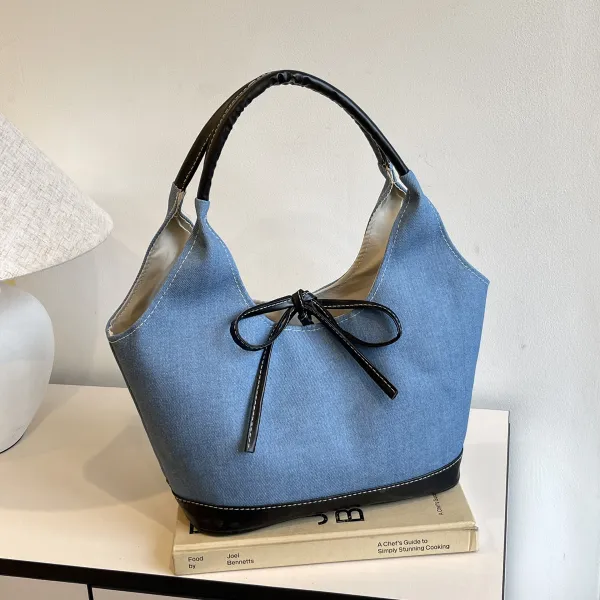
Custom handbags should feature clean seams, smooth zippers, and high-quality lining.
Custom backpacks must have strong straps, secure stitching, and ergonomic comfort.
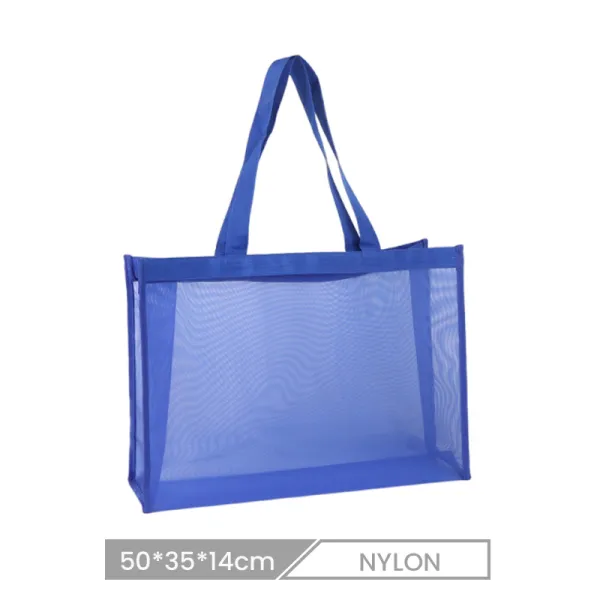
Custom tote bags and custom shopping bags should be made of durable materials such as canvas or recycled polyester.
Custom duffle bags require robust handles and reinforced bottoms to withstand heavy use.
Custom wallets should exhibit precise cutting, neat edges, and well-aligned logos.
If you notice inconsistencies in stitching or weak materials, it’s a sign the supplier may not meet professional standards. Always prioritize craftsmanship over cost, as poor quality can damage your brand’s reputation.
3. Review Customization Options
The level of customization a supplier offers determines how much creative freedom your brand will have. The right supplier should be able to turn your vision into reality by providing flexibility in design, materials, and printing methods.
Key customization aspects to discuss include:
Material selection: Options like cotton, canvas, leather, faux leather, nylon, or eco-friendly fabrics.
Printing methods: Screen printing, embroidery, heat transfer, sublimation, or embossing.
Color options: Ensure they can match your brand’s specific color palette.
Logo placement: Discuss size, positioning, and how the logo integrates into the design.
Hardware choices: Zippers, buckles, and metal accents that complement your brand’s aesthetic.
For brands that offer diverse collections, it’s essential that the supplier can handle a variety of products—from sleek custom crossbody bags to practical custom drawstring bags and everyday custom tote bags. A supplier with limited customization options may restrict your creativity and reduce your brand’s uniqueness.
4. Assess Material Sustainability and Ethical Standards
In an era of conscious consumerism, sustainability is more than a trend—it’s a responsibility. Many consumers now prefer eco-friendly custom bags made from organic, recycled, or biodegradable materials. Choosing a supplier that aligns with these values not only strengthens your brand image but also meets growing environmental expectations.
Ask potential suppliers about:
Material sourcing: Do they use certified organic or recycled materials?
Production practices: Are their manufacturing processes designed to minimize waste and energy consumption?
Ethical labor: Do they ensure fair wages and safe working conditions?
Certifications: Look for ISO, GOTS (Global Organic Textile Standard), or Fair Trade certifications.
For example, brands focusing on sustainable lifestyles can choose suppliers specializing in eco-friendly custom tote bags or reusable custom shopping bags. These not only reduce plastic waste but also highlight your commitment to responsible production.
5. Check Supplier Experience and Industry Reputation
Experience matters greatly in the world of custom manufacturing. A supplier with a solid track record understands production timelines, quality assurance, and market trends. Research the company’s background—how long they’ve been in business, who their clients are, and what kind of products they specialize in.
Look for reviews or testimonials from other brands that have worked with them. A reputable supplier will have no issue sharing references or showcasing their client portfolio. Established suppliers are also more likely to invest in advanced technology and maintain higher standards for custom duffle bags, handbags, and other complex designs.
6. Evaluate Communication and Responsiveness
Clear and consistent communication is essential for a smooth production process. Your supplier should be proactive, transparent, and easy to reach. Pay attention to how they respond during initial discussions—do they understand your design requirements? Do they provide suggestions or feedback?
A good supplier will:
Respond promptly to inquiries.
Offer design consultations or mockups.
Provide detailed quotations and production timelines.
Keep you updated on order progress.
Miscommunication can lead to costly delays, incorrect designs, or production errors. A responsive supplier helps prevent these issues and ensures your custom handbags or custom backpacks are produced exactly as envisioned.
7. Analyze Production Capacity and Scalability
Before finalizing a supplier, confirm whether they can handle your current and future production needs. Some suppliers specialize in small-batch production, ideal for startups or limited-edition collections. Others have the infrastructure to manage large-scale manufacturing suitable for global distribution.
If your brand plans to expand, ensure the supplier has scalable capacity. This prevents issues when demand increases. Discuss lead times, minimum order quantities (MOQs), and production turnaround. For example, if your business grows from producing 100 custom crossbody bags to 5,000, you’ll need a partner capable of maintaining consistency without compromising quality.
8. Understand Pricing and Hidden Costs
Price is an important factor, but it shouldn’t be the sole deciding point. When comparing suppliers, ask for a detailed quotation that includes all costs: materials, printing, shipping, packaging, and taxes. Some suppliers may offer lower prices upfront but add unexpected charges later.
Ensure transparency regarding:
Setup fees for printing or embossing.
Sample costs and refunds after order confirmation.
Shipping and import duties.
Discounts for bulk orders or repeat business.
Striking a balance between affordability and quality is crucial. A slightly higher investment in durable custom bags can save your brand from expensive reorders or product returns in the long run.
9. Request Samples and Prototypes
Before committing to a large order, always request a prototype. This step allows you to evaluate quality, design accuracy, and material feel in person. A good supplier will encourage this process and make adjustments based on your feedback.
Test the prototype for:
Durability under different conditions.
Print or embroidery quality.
Comfort and practicality of design.
Brand alignment and aesthetics.
This stage is especially important for custom handbags and custom wallets, where precision and craftsmanship are vital. It’s better to make corrections at the prototype stage than after mass production.
10. Consider Logistics and Delivery Reliability
Timely delivery is as crucial as product quality. Delays can disrupt marketing campaigns or seasonal launches. Choose suppliers with a proven record of meeting deadlines and efficient logistics management. Discuss their production and shipping timelines in detail before placing an order.
It’s also wise to understand how they handle international shipping, customs clearance, and returns. For brands selling globally, suppliers with strong export experience are invaluable. Reliable logistics ensure your custom duffle bags or custom drawstring bags arrive in perfect condition and on time.
11. Test Customer Service and After-Sales Support
A supplier’s responsibility doesn’t end with delivery. Post-purchase support plays a vital role in maintaining long-term partnerships. Evaluate whether they offer assistance for defective items, product replacements, or future reorders.
Responsive after-sales service shows the supplier’s commitment to quality and customer satisfaction. Building a long-term relationship with such partners ensures consistent branding across future product lines—from new collections of custom tote bags to refreshed designs of custom backpacks.
12. Evaluate Innovation and Design Capabilities
In a fast-evolving fashion world, creativity sets successful brands apart. A good supplier should not only follow instructions but also bring innovative ideas to the table. Ask if they have in-house designers or R&D teams who can help you experiment with new materials or techniques.
Suppliers who keep up with industry trends—like minimalist aesthetics, sustainable fabrics, or tech-integrated bags—can offer valuable insights. Working with such partners allows your brand to stay ahead of the curve and continually surprise your audience with fresh, modern designs.
13. Build a Long-Term Partnership
Finding the right supplier is not about making a one-time deal—it’s about building a strategic partnership. When you work closely with a trusted manufacturer, they become an extension of your brand. This collaboration ensures product consistency, faster turnaround, and better cost management.
Regular feedback, transparent communication, and mutual trust will help strengthen this relationship. Long-term partnerships also lead to more favorable terms, priority scheduling, and opportunities for co-development of exclusive products.
14. The Role of Technology in Supplier Selection
Technology has made it easier to evaluate and collaborate with global suppliers. Many custom bag suppliers now provide online design tools, allowing you to visualize your products before production. You can upload your logo, choose colors, and see instant previews of custom backpacks or handbags.
Moreover, digital project management systems help track order status in real time, while AI-based analytics predict demand and optimize inventory. Selecting a tech-savvy supplier ensures smoother communication and faster production cycles—key advantages in the fast-paced fashion industry.
15. Red Flags to Watch Out For
While searching for suppliers, be alert for warning signs that indicate potential problems:
Vague answers or lack of transparency about materials or pricing.
Unwillingness to provide samples or certifications.
Poor communication or delayed responses.
Overpromising production capacity or unrealistic lead times.
Negative reviews or unresolved customer complaints.
Avoid suppliers who treat customization as an afterthought. Your brand deserves partners who are as passionate about quality and creativity as you are.
Choosing the right custom bag supplier is a strategic decision that can shape your brand’s identity, reputation, and profitability. The ideal partner will understand your aesthetic vision, uphold high ethical and quality standards, and provide flexibility for growth.
Whether you’re developing custom tote bags for daily use, premium custom handbags for luxury markets, or durable custom backpacks for an active audience, your supplier must share your commitment to excellence. From eco-friendly custom shopping bags to travel-ready custom duffle bags, each piece should reflect your brand’s story and values.
A great supplier doesn’t just manufacture products—they help you craft experiences. By choosing wisely, you ensure that every custom crossbody bag or custom wallet becomes a powerful extension of your brand, carrying your message wherever your customers go.


Comments
Post a Comment