Best Tips for Finding Reliable Wholesale Suppliers for Jeans and Denim Jackets
The denim market serves as the bedrock of the global fashion industry. It is a sector that manages to be simultaneously perennially classic and aggressively trend-driven. For the boutique owner, the online e-commerce entrepreneur, and the retail procurement manager, denim is often the most reliable engine for driving consistent revenue. However, the complexity of sourcing high-quality denim at scale—balancing material composition, wash techniques, and fit reliability—can be a daunting operational challenge.
Successfully sourcing wholesale denim is not just about finding the lowest price point; it is about building a supply chain that guarantees consistent quality, offers market-relevant silhouettes, and provides the flexibility to adapt to fast-moving fashion trends. This comprehensive guide serves as your professional roadmap to navigating the wholesale denim landscape in 2026, ensuring you can build a sustainable, high-margin inventory that resonates with your target audience.
1. The Anatomy of Denim: Materials and Construction
Before you place your first bulk order, you must possess a deep understanding of what constitutes "quality" in denim. The fabric’s performance, hand-feel, and longevity are dictated by its construction.
Textile Weights and Fiber Composition
Denim weight is measured in ounces per square yard (oz/sq yd).
Lightweight (5–9 oz): Best suited for childrenswear, summer apparel, and soft shirts. It is fluid, breathable, and drape-heavy.
Midweight (10–12 oz): The industry standard for most consumer jeans. It offers enough structure to hold a shape while remaining comfortable for daily wear.
Heavyweight (13 oz and up): Provides maximum durability and rigidity. These are the preferred fabrics for men's workwear and heritage denim.
In 2026, the market has largely shifted away from 100% rigid cotton in favor of multi-blend textiles. A high-quality pair of
2. Strategic Sourcing: Segmenting Your Inventory
A common mistake made by new retail buyers is attempting to cover the entire market with a narrow, unsegmented approach. To maximize profitability, your inventory must be segmented by consumer need.
The Women’s Market: Trends and Sculpting
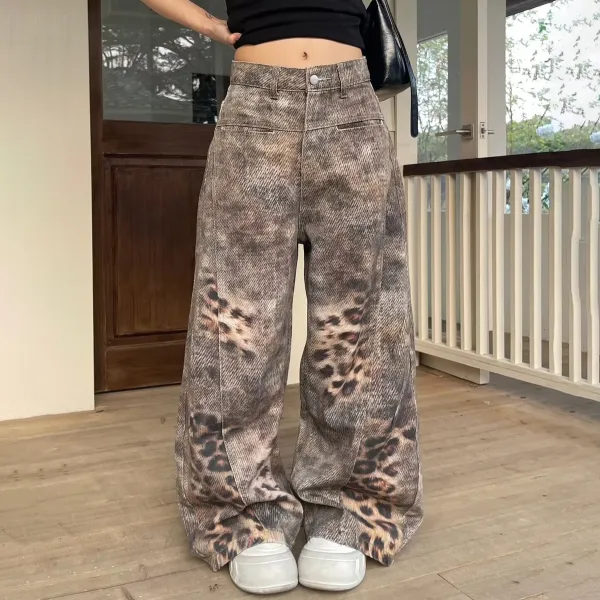
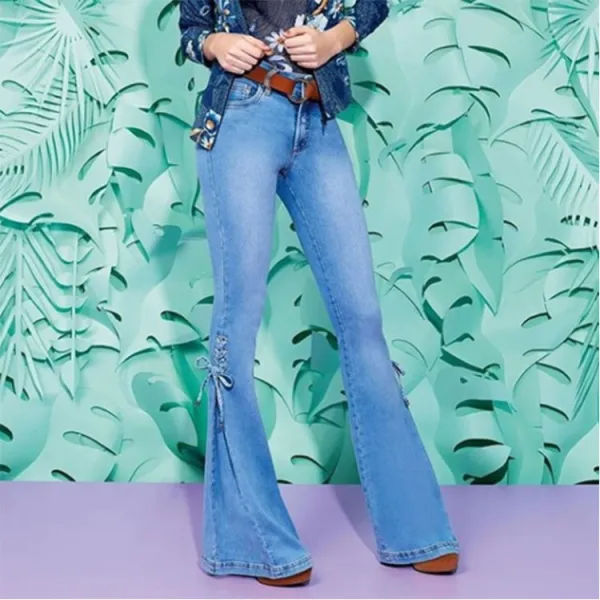
The women's denim sector is driven by silhouettes. From high-waisted wide-leg fits to vintage-style flares, the turnover rate is high. Your sourcing strategy here should prioritize vendors who can provide quick replenishment of high-demand items.
The Men’s Market: Utility and Durability
Men's denim is a more stable category focused on fit consistency and utility. When you seek out
The Kids’ Market: Comfort First
When sourcing
3. The Finishing Process: Why Wash and Texture Matter
The price difference between a generic pair of jeans and a high-end retail product often comes down to the finishing process. This is where the fabric is transformed from raw, stiff twill into a fashionable garment.
Enzyme Washing: This is the gold standard for sustainability and fabric longevity. It breaks down the surface cellulose to make the denim soft without destroying the structural fibers.
Laser Distressing: For distressed or ripped looks, laser technology is superior to manual scraping. It ensures that every pair of jeans in a bulk order looks identical to the sample, eliminating the inconsistencies that often plague manual distressing.
When vetting
4. Seasonal Opportunities: Capturing Impulse Revenue
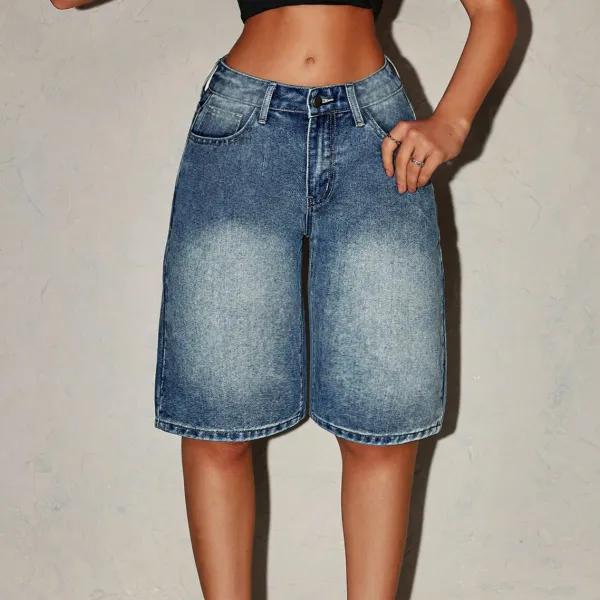
Denim isn't just about full-length trousers. Your inventory must include seasonal staples that bridge the gap between heavy winter gear and summer lightwear.
A dedicated
5. Moving Toward Sovereignty: The Power of Private Label
If you want to move your business from a reseller to a brand, you must explore private label and custom manufacturing. This is how you escape the "commodity trap" where customers compare your prices to massive marketplaces.
By investing in
Branding: Custom woven labels, embossed leather patches, and branded rivets all signal quality and exclusivity.
Fit Profiles: You can work with manufacturers to develop a specific "house fit" that your customers know and trust, which significantly reduces return rates.
Unique Aesthetics: Customizing the wash, the hardware color, and the stitching pattern allows you to create a product that is entirely unique to your store.
6. The Buying Checklist: How to Vet Wholesale Partners
Before finalizing any large-scale order, ensure your potential partner passes these four critical operational benchmarks:
1. Minimum Order Quantity (MOQ) Flexibility
For small-to-mid-sized boutiques, massive MOQs are a cash-flow killer. Look for platforms that offer lower MOQs, allowing you to test new trends without tying up all your capital in a single style.
2. Quality Control (QC) Transparency
Ask for the manufacturer’s QC process. Do they check every item for stitching defects, hardware integrity, and sizing consistency? A partner that is transparent about their QC process is less likely to deliver a batch of defective merchandise.
3. Logistical Reliability
International shipping can be fraught with delays. Verify that your partner uses reliable freight forwarders and provides transparent, end-to-end tracking. If you are ordering private label items, ensure they include packaging and labeling services that make the goods ready for resale the moment they arrive at your warehouse.
4. Trend Responsiveness
The best wholesale partners are not just factories; they are trend analysts. They should be able to tell you which styles are trending upward and which are losing traction, helping you make data-driven buying decisions rather than guessing.
7. Scaling Your Business: The Financial Strategy
Scaling your denim business is a balancing act between having enough variety and keeping your inventory lean. The most profitable retailers in 2026 are those that operate with a "test and react" mindset.
Instead of ordering 500 units of a new style, order a smaller test batch of 50–100 units. Use the data from your initial sales—click-through rates, add-to-cart ratios, and actual conversion numbers—to determine if the style warrants a large-scale restock. This approach protects your cash flow and ensures that your warehouse is filled only with items that your customers are actively seeking.
8. Building Your Denim Future
The denim industry will continue to evolve, with new material innovations and sustainable manufacturing processes leading the charge. For the retailer, the opportunity is clear: by mastering the sourcing of quality wholesale denim, segmenting your inventory correctly, and gradually shifting toward private label customization, you can build a brand that is resilient against market fluctuations.
Remember that every pair of jeans you sell is a reflection of your store's commitment to quality. When you source with care, prioritize fit and fabric, and stay agile in your buying habits, you do more than just sell clothing—you provide your customers with the foundational pieces of their personal style. Start with a solid, reliable wholesale partner, test your markets, and build your denim empire one collection at a time.


Comments
Post a Comment