A Comprehensive Sourcing Strategy for Wholesale Mens Apparel and Footwear
1. The Modern Paradigm of Men’s Retail Sourcing
The global retail landscape has experienced seismic shifts over the past decade, driven by rapid digitalization, evolving consumer expectations, and dynamic supply chain networks. For boutique owners, e-commerce entrepreneurs, and established department store buyers alike, the ability to secure high-quality products efficiently determines market survival and long-term profitability. Within the fashion sector, the men's segment has emerged as one of the fastest-growing and most discerning markets. Modern male consumers no longer treat shopping as an afterthought; instead, they demand variety, technical performance, sustainable production, and sharp aesthetic styling across every category from daily basics to statement footwear.
Successfully meeting these consumer demands requires more than casual vendor selection—it demands a comprehensive, data-driven, and highly adaptive sourcing strategy. Sourcing professionals must navigate complex international manufacturing ecosystems, balance minimum order quantities (MOQs), evaluate fabric technologies, and mitigate logistics risks.
This comprehensive guide explores the structural pillars of modern men's retail procurement. We will examine how to optimize category assortment, leverage digital wholesale platforms, integrate custom-made manufacturing solutions, and streamline supply chain operations to build a resilient, high-margin retail enterprise.
2. Navigating the Evolving Global Wholesale Ecosystem
Traditional apparel sourcing was historically plagued by opaque supply chains, multiple middlemen, exorbitant markups, and inflexible production terms. Retailers often had to commit to seasonal inventory months in advance based on speculative forecasts, leaving them vulnerable to deadstock or catastrophic stockouts when trends shifted unpredictably.
Today, the digitization of wholesale trade has revolutionized this ecosystem. Modern B2B sourcing platforms—such as FashionTIY—have democratized global supply chains, enabling retailers of all sizes to access direct-from-factory pricing, transparent production metrics, and flexible order volumes. By shifting toward integrated digital partners, businesses can streamline their procurement workflows, reduce administrative overhead, and respond dynamically to real-time consumer sales data.
Furthermore, a successful sourcing strategy relies on a balanced portfolio approach. Retailers cannot rely solely on spot-market purchases or rigid long-term contracts. Instead, they must cultivate a hybrid sourcing model that combines reliable ready-to-wear stock procurement with agile custom manufacturing capabilities, ensuring both inventory stability and unique brand differentiation.
3. Core Apparel Sourcing: Building a Robust Foundation
Establishing a thriving men’s retail collection begins with mastering the core apparel categories that form the backbone of a functional wardrobe. Retailers must curate assortments that balance everyday wearability with seasonal versatility.
When building a comprehensive menswear catalog, partnering with reliable sources for
Denim and Structured Casual Wear
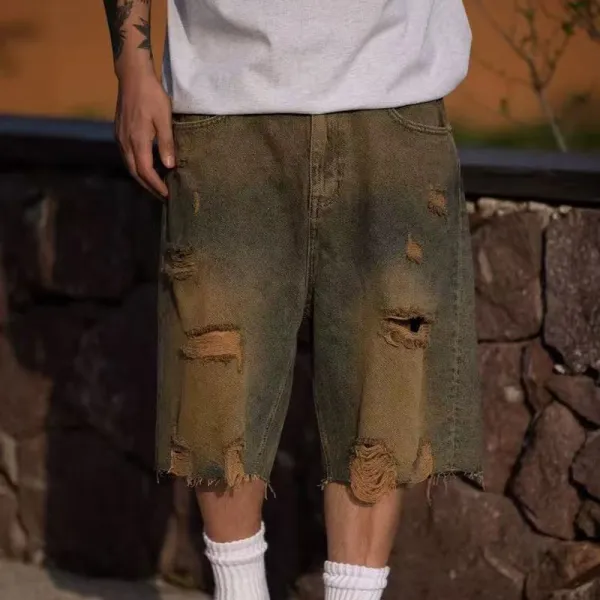
Denim remains an eternal cornerstone of men's fashion, bridging the gap between rugged workwear and contemporary smart-casual style. Sourcing high-quality denim requires a keen eye for fabric weight, stretch recovery, environmental wash techniques, and durable stitching. Incorporating diverse
Coordinated Sets and Athleisure
Coordinated outfits have transformed modern consumer preferences, driven by the permanent shift toward comfort-focused, effortless styling. Consumers increasingly favor outfits that eliminate the friction of matching separate tops and bottoms. Offering curated
Warm-Weather and Functional Bottoms
As seasonal buying patterns shift toward warmer climates, breathable and functional lower-body wear becomes critical for retail success. Sourcing durable
Undergarments and Intimate Apparel Essentials
Undergarments and daily essentials represent high-frequency replenishment items that drive consistent, repeat customer traffic and foster deep brand loyalty. Investing in
Essential Tops, T-Shirts, and Polos
Basic tops serve as the ultimate canvas for both everyday layering and brand expression. High-volume procurement programs for

4. Expanding Margins: Accessories and Footwear Procurement
While apparel drives primary foot traffic and wardrobe curation, accessories and footwear are the powerhouse categories for margin expansion and complete lifestyle branding.
Urban Mobility and Functional Bags
Bags and backpacks have transitioned from purely utilitarian items into vital fashion statements for urban commuters, students, and frequent travelers. Incorporating versatile
Footwear: Anchoring the Complete Look
Footwear represents a major decision point for consumers seeking to complete a head-to-toe ensemble. Offering diverse styles through
5. Elevating Brand Identity Through Custom-Made Manufacturing Services
While standard wholesale procurement provides operational stability and immediate inventory readiness, custom-made manufacturing services provide your brand with a unique soul and defensible market differentiation. Customization transforms generic commodity products into exclusive brand assets that insulate your business from price-cutting competitors.
Strategic Sourcing Note: Customization extends far beyond printing a surface logo; it involves engineering apparel and accessories from the yarn level up to match your precise brand specifications, proprietary fits, and custom wash formulas.
Custom T-Shirts and Proprietary Blends
T-shirts are the most ubiquitous garments in global retail, making them the prime candidate for custom development. Utilizing specialized
Custom Bags and Signature Hardware
Accessories offer incredible opportunities for unique brand storytelling. Utilizing professional
Custom Footwear Development
Footwear manufacturing traditionally presented prohibitive entry barriers due to complex mold costs. However, modern digital manufacturing partnerships have democratized custom shoe design. Through specialized
Custom Sets and Unified Collections
Coordinated apparel sets represent one of the fastest-growing segments in contemporary menswear. Leveraging advanced
6. Supply Chain Logistics, Quality Control, and Risk Mitigation
A comprehensive sourcing strategy is incomplete without rigorous operational discipline in supply chain execution. Managing production lead times, international freight, quality assurance (QA), and inventory forecasting is vital to maintaining healthy retail margins.
Lead Time Management and Seasonal Planning
Apparel and footwear manufacturing operate on strict seasonal timelines. Sourcing professionals must factor in production lead times, raw material procurement phases, and international shipping durations. Utilizing a phased inventory strategy—starting with small-batch spot wholesale orders to test market response before committing to large-scale custom production runs—minimizes financial exposure and eliminates deadstock.
Quality Assurance and Tech Pack Precision
When investing in wholesale and custom merchandise, establishing clear tech packs (technical specification sheets) is non-negotiable. Tech packs must include precise garment measurements, graded sizing specs, Pantone color matching codes, stitch density requirements, and material composition percentages. Partnering with suppliers that enforce stringent multi-stage quality control inspections ensures consistency across manufacturing batches and protects your brand reputation.
Sustainable and Ethical Sourcing Practices
Modern consumers increasingly scrutinize the ethical and environmental footprint of their purchases. A forward-thinking sourcing strategy prioritizes vendors who adhere to fair labor standards, utilize eco-friendly dyes, incorporate recycled synthetic fibers, and minimize packaging waste. Transparency in your supply chain not only mitigates regulatory risk but also serves as a powerful marketing narrative that appeals to conscious consumers.

7. Building a Resilient, Future-Proof Retail Enterprise
The global retail environment will continue to evolve, rewarding agile operators and penalizing rigid, outdated business models. By moving beyond traditional, opaque procurement methods and embracing a comprehensive sourcing strategy that combines reliable wholesale staples with agile custom-made manufacturing, retail brands can carve out a highly profitable, defensible niche in the global market.
Whether you are expanding your retail inventory with essential daily menswear, investing in high-margin accessories and footwear, or developing proprietary custom collections, mastering the nuances of modern supply chain management is the ultimate key to success. Embrace digital sourcing platforms, maintain uncompromising quality standards, and position your retail brand for sustainable, long-term growth.


Comments
Post a Comment