Mastering Wholesale Women Tops Sourcing for Boutique Success
Running a successful boutique requires more than just great style - it demands strategic sourcing practices that balance quality, cost, and customer demand. For clothing retailers, mastering the art of wholesale women tops sourcing is essential for building a profitable and sustainable business.

Understanding the Wholesale Women Tops Market
Market Overview
The global women's apparel wholesale market continues to grow, driven by changing fashion trends and increasing demand for affordable yet stylish clothing. Key segments include:
Casual wear: Everyday essentials for comfort and style
Workwear: Professional pieces for office environments
Fashion-forward items: Trend-driven designs for style-conscious shoppers
Sustainable options: Eco-friendly materials and ethical production
Key Trends Shaping the Industry
Fast Fashion Evolution: Consumers expect quick turnover of trendy styles
Sustainability Demands: Growing preference for eco-conscious brands
Inclusive Sizing: Demand for extended size ranges
Digital Transformation: Rise of online wholesale platforms
Building Your Sourcing Strategy
Step 1: Define Your Product Mix
Before sourcing, clarify your boutique's unique selling proposition:
Target Audience: Who are your ideal customers?
Price Point: Are you targeting budget, mid-range, or luxury shoppers?
Style Identity: What aesthetic defines your boutique?
Step 2: Researching Wholesale Suppliers
Finding reliable suppliers is critical. Consider these factors:
Factor | What to Look For |
|---|---|
Product Quality | Consistent fabric, stitching, and finishing |
Pricing Structure | Competitive wholesale prices with volume discounts |
Minimum Order Quantities | Flexible MOQs that fit your budget |
Lead Times | Reliable delivery schedules |
Customization Options | Private label, printing, or embroidery services |
Step 3: Evaluating Supplier Reliability
Ask these key questions when vetting potential suppliers:
How long have they been in business?
Can they provide references from other retailers?
What is their return and exchange policy?
Do they offer sample ordering?
Exploring Product Categories
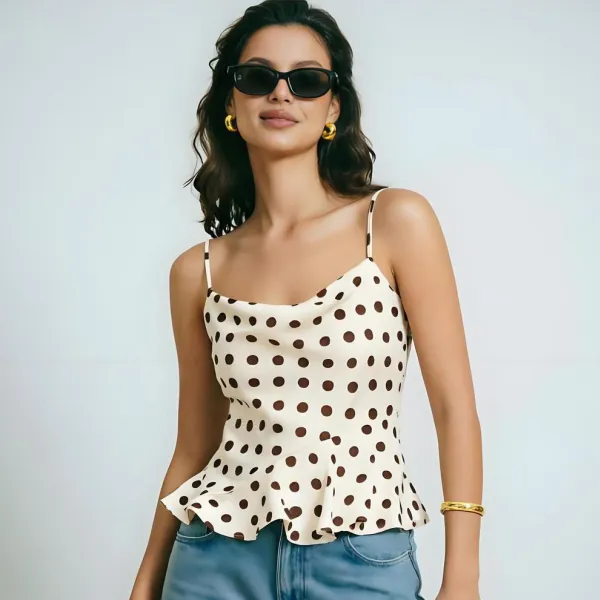
Blouses and Shirts
Wholesale Blouses are versatile staples that every boutique needs. Look for:
Flowy fabrics for comfort
Feminine details like ruffles and lace
Versatile colors that complement multiple outfits
Knitwear
Wholesale Knitwear offers cozy comfort for cooler seasons:
Soft materials like cotton and cashmere blends
Trendy oversized silhouettes
Layering pieces for year-round wear
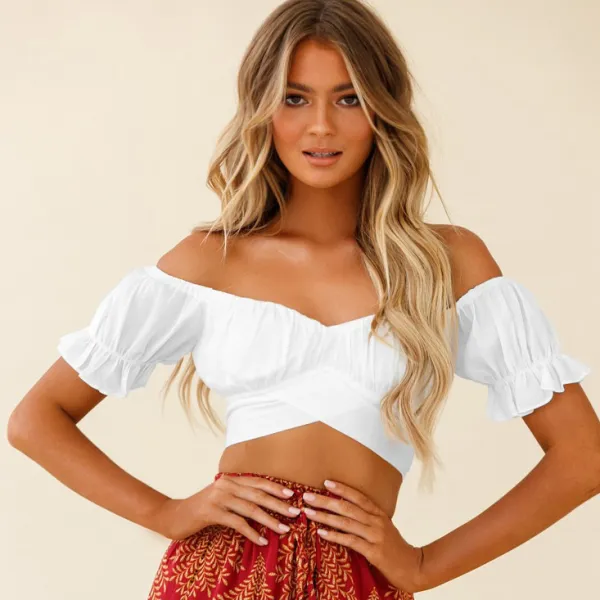
Crop Tops
Wholesale Crop Tops cater to younger demographics:
Trendy designs following current fashion
Breathable fabrics for summer
Mix-and-match versatility
Bodysuits
Wholesale Bodysuits provide sleek layering options:
Form-fitting designs that flatter
Seamless construction for comfort
Versatile styles for dressing up or down
Tank Tops
Wholesale Tank Tops are essential basics:
Soft cotton blends for everyday wear
Variety of necklines and fits
Great for layering or standalone wear
Negotiating with Suppliers
Tips for Successful Negotiation
Build Relationships: Long-term partnerships often yield better terms
Understand Costs: Know the supplier's cost structure to negotiate effectively
Be Flexible: Consider trade-offs between price, MOQ, and payment terms
Start Small: Begin with trial orders to test quality and reliability
Communicate Clearly: Establish expectations for delivery, quality, and service
Payment Terms to Consider
Pre-payment: Discounts for upfront payment
Net terms: Payment after delivery (e.g., Net 30, Net 60)
Letter of credit: Secure payment for larger orders
Managing Inventory Effectively
Best Practices for Inventory Management
Track Sales Data: Identify top-performing items to reorder
Use Inventory Software: Automate tracking and reordering processes
Plan for Seasons: Anticipate seasonal demand patterns
Manage Stock Levels: Avoid overstocking slow-moving items
Implement FIFO: Rotate stock to maintain freshness
Avoiding Common Inventory Pitfalls
Overbuying: Don't purchase more than you can sell
Ignoring Trends: Stay updated on fashion trends to avoid obsolete inventory
Poor Record-Keeping: Maintain accurate inventory records at all times
Quality Control Processes
Establishing Quality Standards
Define Acceptance Criteria: Specify quality requirements for suppliers
Inspect Shipments: Check products upon delivery
Test Samples: Order samples before committing to large orders
Provide Feedback: Communicate quality issues promptly to suppliers
Handling Quality Issues
Document problems with photos and detailed descriptions
Establish clear return and replacement policies with suppliers
Consider alternative suppliers if quality issues persist
Scaling Your Wholesale Business
When to Expand Your Product Line
When current products are consistently selling out
When customers request specific items
When you've established reliable supplier relationships
When market research identifies new opportunities
Expansion Strategies
Add Complementary Categories: Consider wholesale jackets and wholesale coats for seasonal expansion
Target New Demographics: Expand sizing or style ranges
Explore Private Label: Develop exclusive products to differentiate your brand
Increase Order Volumes: Negotiate better pricing with larger orders
Case Study: Boutique Success Story
40% reduction in sourcing costs
30% increase in profit margins
Improved product consistency and customer satisfaction
Key Strategies:
Consolidated suppliers to reduce complexity
Leveraged private label options for brand differentiation
Implemented data-driven inventory management
Future Trends in Wholesale Sourcing
Emerging Technologies
AI-driven trend forecasting for inventory planning
Virtual showrooms for product selection
Blockchain for supply chain transparency
Sustainability Focus
Increased demand for eco-friendly materials
Ethical production practices gaining importance
Circular fashion initiatives
Global Sourcing Trends
Regional diversification to mitigate supply chain risks
Local sourcing for faster delivery
Direct-to-consumer wholesale models
Mastering wholesale women tops sourcing is a continuous learning process that combines industry knowledge, supplier relationships, and strategic planning. By understanding your market, building reliable partnerships, and implementing effective inventory management, you can position your boutique for long-term success.
For retailers looking to streamline their sourcing operations, platforms like FashionTIY offer comprehensive solutions with access to wholesale womens tops and complementary categories. Their competitive pricing, flexible MOQs, and customization options make them an ideal partner for boutique owners.
Remember, successful sourcing is about more than just finding the lowest price - it's about building sustainable relationships that deliver consistent quality and value to your customers.


Comments
Post a Comment