Custom Swimwear Design: Trends and Personalization Options
The swimwear industry has evolved far beyond basic functionality. Today, it represents a powerful intersection of fashion, identity, and lifestyle. As consumers seek more personalized and expressive styles, custom swimwear has emerged as a key growth area for fashion brands, designers, and e-commerce entrepreneurs.
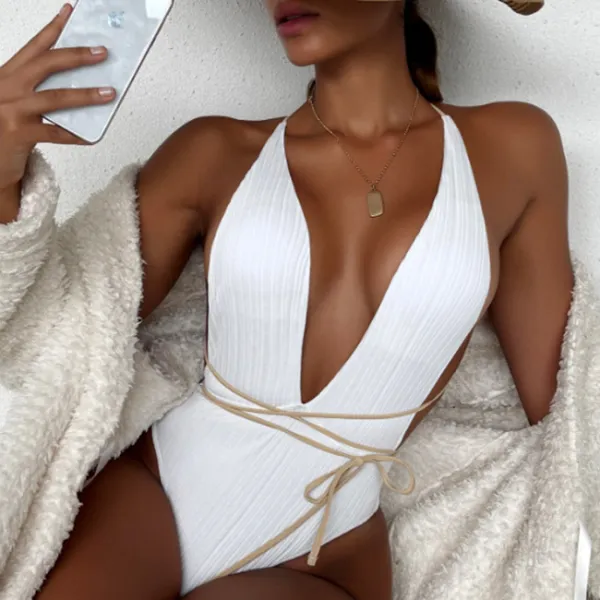
From beach vacations to poolside events and social media aesthetics, swimwear has become a statement piece. In 2026, customization, inclusivity, and innovation are driving the market forward. This article explores the latest trends in custom swimwear design and the personalization options that can help brands stand out in a competitive landscape.
The Rise of Custom Swimwear
Changing Consumer Expectations
Modern consumers are no longer satisfied with one-size-fits-all designs. They want swimwear that reflects their personality, fits perfectly, and aligns with their lifestyle. Customization allows brands to meet these expectations while building stronger customer relationships.
Influence of Social Media
Platforms like Instagram and TikTok have turned swimwear into a highly visible fashion category. Unique designs and personalized styles are more likely to capture attention and drive engagement.
Demand for Inclusivity
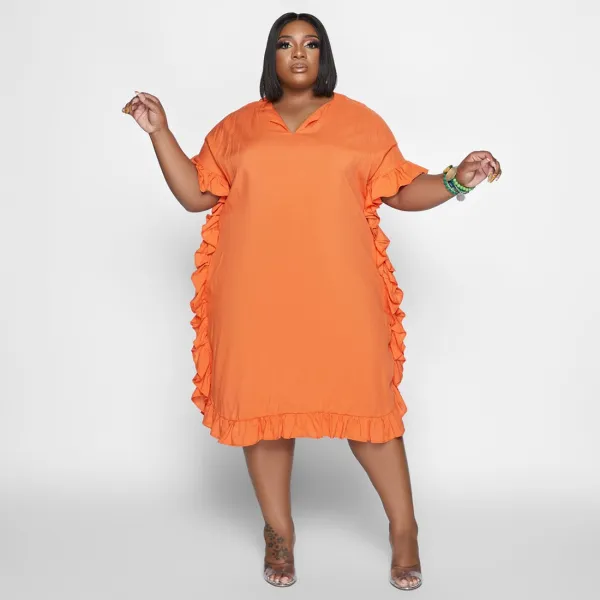
Inclusivity is a major driver of growth. Offering custom plus size clothing solutions within swimwear ensures that all customers feel represented and confident.
Key Swimwear Trends in 2026
1. Minimalist and Clean Designs
Simple silhouettes with neutral tones are gaining popularity. These designs emphasize elegance and versatility.
2. Bold Prints and Patterns
Vibrant colors, abstract prints, and tropical motifs remain strong trends, especially for vacation wear.
3. Sustainable Materials
Eco-friendly fabrics and ethical production practices are becoming essential for modern brands.
4. Multi-Functional Swimwear
Convertible designs that can be worn as both swimwear and casual clothing are increasingly popular.
5. Retro Revival
Vintage-inspired styles, such as high-waisted bottoms and classic cuts, are making a comeback.
Personalization Options in Custom Swimwear
Customization is at the heart of modern swimwear design.
Fabric Selection
Customers can choose materials based on comfort, durability, and performance. Options include:
- Quick-drying fabrics
- UV-protective materials
- Stretchable blends for flexibility
Color and Print Customization
Personalized color palettes and unique prints allow customers to express their individuality.
Fit and Sizing
Accurate measurements ensure a perfect fit. Custom sizing is especially important for different body shapes and preferences.
Design Features
Customization options may include:
- Adjustable straps
- Removable padding
- High-cut or full-coverage styles
Expanding Product Lines for Brand Growth
To maximize revenue and brand appeal, businesses should diversify their offerings.
Dresses for Beachwear
Lightweight custom dresses are perfect for layering over swimwear, creating a complete beach look.
Lingerie for Versatility
Products like custom lingerie can complement swimwear collections, offering customers versatile styling options.
Sportswear for Active Lifestyles
Athletic consumers often seek performance-focused apparel. custom sportswear meets these needs while maintaining style.
Matching Sets
Coordinated outfits such as custom women's sets enhance convenience and aesthetic appeal.
Accessories
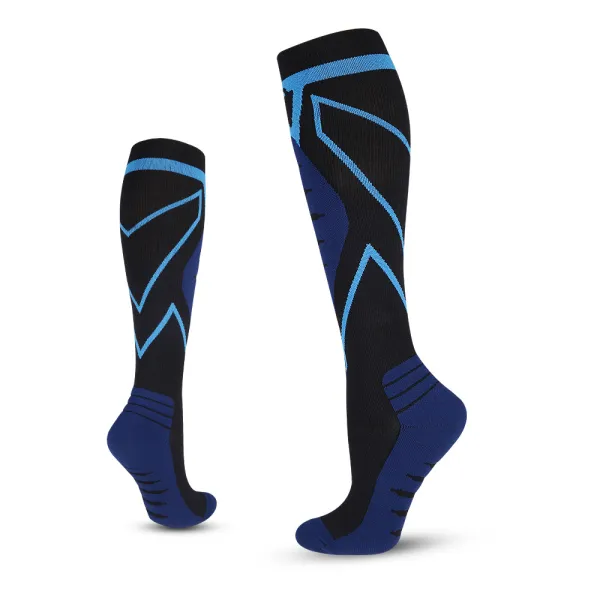
Accessories like custom socks can add a unique touch to casual or travel outfits.
Denim for Casual Wear
For post-beach activities, custom jeans provide comfort and style.
Building a Private Label Swimwear Brand
Private labeling allows businesses to create unique swimwear collections under their own brand name. By leveraging custom clothing private label services, brands can maintain control over design, quality, and branding.
Advantages of Private Labeling
- Strong brand identity
- Higher profit margins
- Flexibility in product development
- Ability to respond quickly to trends
Designing for Inclusivity
Inclusivity is a cornerstone of modern fashion.
Diverse Body Types
Design swimwear that accommodates different shapes and sizes, ensuring comfort and confidence for all customers.
Cultural Sensitivity
Consider cultural preferences and modesty requirements when designing products.
Accessibility
Make swimwear accessible to a wide audience by offering a variety of price points and styles.
Marketing Custom Swimwear
Visual Content
High-quality images and videos are essential for showcasing designs. Highlight:
- Fit and movement
- Fabric texture
- Styling versatility
Social Media Strategies
Engage audiences with:
- User-generated content
- Influencer collaborations
- Behind-the-scenes design processes
Seasonal Campaigns
Promote swimwear collections during peak seasons and holiday periods.
Enhancing Customer Experience
Personalization Tools
Offer online customization tools that allow customers to design their own swimwear.
Clear Sizing Guides
Provide detailed size charts and fit descriptions to reduce uncertainty.
Responsive Support
Ensure customer inquiries are handled promptly and professionally.
Challenges in Custom Swimwear Design
Production Complexity
Customization can complicate manufacturing processes. Solution: streamline workflows and partner with experienced suppliers.
Cost Management
Custom products may have higher production costs. Solution: optimize pricing strategies and offer tiered options.
Inventory Management
Balancing supply and demand can be challenging. Solution: use data analytics to forecast trends.
Future Trends in Swimwear Customization
AI-Driven Design
Artificial intelligence will enable more precise customization and design recommendations.
Virtual Try-On Technology
Augmented reality tools will enhance the online shopping experience.
Sustainable Innovation
Eco-friendly materials and processes will become standard in the industry.
Hyper-Personalization
Advanced customization options will allow customers to create truly unique products.
Custom swimwear design represents a dynamic and rapidly growing segment of the fashion industry. By embracing personalization, inclusivity, and innovation, businesses can meet evolving consumer demands and build strong, recognizable brands.
From offering custom swimwear to expanding into complementary categories like dresses, lingerie, sportswear, women’s sets, socks, and jeans, a diversified product strategy ensures long-term success. Leveraging custom clothing private label solutions further enhances brand identity and scalability.
In 2026 and beyond, the future of swimwear lies in customization and creativity. Brands that prioritize customer experience, quality, and innovation will lead the market and achieve sustainable growth.


Comments
Post a Comment