Sustainable Practices in Wholesale Sleepwear Manufacturing: A Guide
The global fashion industry is undergoing a transformative shift toward more sustainable practices, and the sleepwear sector is no exception. As consumers become more eco-conscious and socially aware, they are increasingly demanding products that are not only fashionable and functional but also produced with respect for the environment and ethical labor practices. The wholesale sleepwear market, which includes a range of products such as wholesale lingerie, wholesale bras, wholesale undergarments, wholesale shapewear, plus size lingerie wholesale, and custom underwear, is poised to embrace this shift. This article serves as a guide to sustainable practices in wholesale sleepwear manufacturing, providing insights into eco-friendly materials, energy-efficient production processes, ethical sourcing, and other key aspects of sustainability.
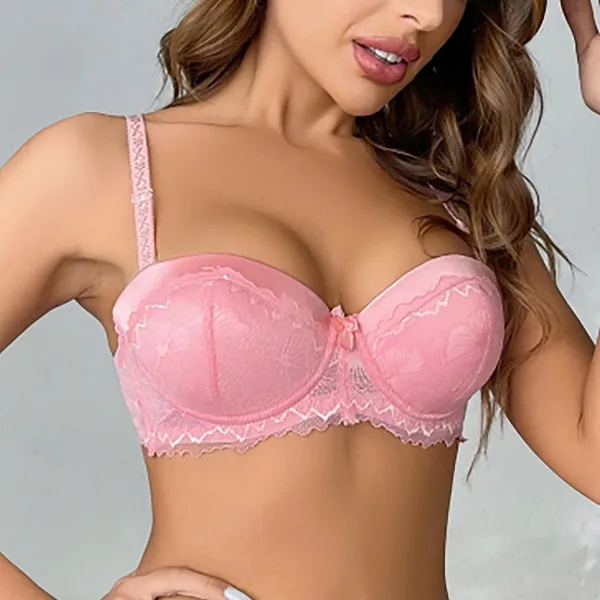
The Growing Importance of Sustainability in the Fashion Industry
The fashion industry is one of the largest contributors to environmental pollution, with textile production being responsible for a significant amount of waste, water consumption, and carbon emissions. The sleepwear segment, including wholesale sleepwear products like wholesale lingerie, wholesale bras, wholesale undergarments, and plus size lingerie wholesale, is no stranger to these challenges. However, as consumers become more aware of the environmental impact of their purchasing decisions, there has been a growing demand for sustainable alternatives.
Sustainability in fashion encompasses a wide range of practices, including ethical labor conditions, resource conservation, waste reduction, and the use of environmentally friendly materials. As the demand for wholesale shapewear and other intimate apparel grows, manufacturers are increasingly turning to more sustainable methods to meet the needs of both consumers and the planet.
Eco-Friendly Materials for Sleepwear
One of the most important aspects of sustainable wholesale sleepwear manufacturing is the choice of materials. Traditional fabrics such as cotton, polyester, and nylon can have a significant environmental footprint due to the resources required for their production and the waste generated at the end of their life cycle. In contrast, eco-friendly materials are made from renewable resources, require less water and energy to produce, and are biodegradable or recyclable.
Organic Cotton
Organic cotton is one of the most popular sustainable materials in sleepwear manufacturing. Unlike conventional cotton, organic cotton is grown without the use of synthetic pesticides or fertilizers. This reduces the environmental impact of cotton farming by promoting biodiversity and improving soil health. Organic cotton also requires less water than conventional cotton, making it a more sustainable choice for products like wholesale lingerie and wholesale undergarments.
Bamboo
Bamboo is another eco-friendly material gaining popularity in the sleepwear industry. Bamboo fabric is soft, breathable, and naturally moisture-wicking, making it an ideal choice for sleepwear such as wholesale shapewear or custom underwear. Bamboo is also a highly renewable resource, as it grows quickly without the need for pesticides or fertilizers. Furthermore, bamboo fabric is biodegradable, which helps reduce the environmental impact when the garment reaches the end of its life.
Tencel (Lyocell)
Tencel, or lyocell, is a sustainable fabric made from sustainably sourced wood pulp. The production process for Tencel involves a closed-loop system in which water and solvents are recycled, reducing waste and water consumption. Tencel is known for its silky smooth texture, breathability, and moisture-wicking properties, making it an excellent choice for sleepwear products like wholesale bras or wholesale undergarments. Additionally, Tencel is biodegradable and compostable, making it a more sustainable option compared to synthetic fabrics.
Recycled Fabrics
Using recycled materials is another key strategy for sustainable sleepwear manufacturing. Fabrics made from recycled polyester or nylon help reduce waste and conserve resources by repurposing materials that would otherwise end up in landfills. Recycled polyester is particularly popular in the production of wholesale shapewear and other intimate apparel, as it retains the same quality and durability as virgin polyester while reducing its environmental impact.
Energy-Efficient Production Processes
In addition to choosing eco-friendly materials, wholesale sleepwear manufacturers can reduce their environmental footprint by adopting energy-efficient production processes. The textile industry is highly energy-intensive, with large amounts of electricity required for spinning, weaving, dyeing, and finishing fabrics. By investing in renewable energy sources, such as solar or wind power, manufacturers can significantly reduce their carbon emissions.
Solar Energy
Many manufacturers are now turning to solar energy to power their production facilities. By installing solar panels on factory roofs or partnering with solar energy providers, companies can generate clean, renewable energy to power their operations. This helps reduce dependence on fossil fuels and lowers the overall carbon footprint of manufacturing sleepwear products, including wholesale lingerie and wholesale bras.
Energy-Efficient Machinery
The use of energy-efficient machinery is another important aspect of sustainable manufacturing. Advanced technologies, such as low-energy knitting machines and dyeing equipment, can help reduce energy consumption and minimize waste. Manufacturers that invest in such machinery not only lower their environmental impact but also improve the efficiency of their production processes, resulting in cost savings in the long term.
Ethical Sourcing and Fair Labor Practices
Sustainability in wholesale sleepwear manufacturing is not limited to environmental factors; it also involves social responsibility. Ethical sourcing and fair labor practices are critical components of a sustainable business model. The fashion industry, including the sleepwear sector, has faced scrutiny over labor conditions in factories, with many workers subjected to poor wages, unsafe working environments, and exploitation.
To ensure that their products are produced ethically, manufacturers must prioritize fair wages, safe working conditions, and the rights of workers throughout the supply chain. This includes sourcing materials from suppliers that adhere to ethical standards and conducting regular audits to ensure compliance with labor laws and human rights protections.
Many manufacturers are now seeking certifications from organizations such as Fair Trade, which ensures that workers receive fair wages and work in safe conditions. Additionally, brands that offer wholesale shapewear or custom underwear can create transparency in their supply chains by sharing information about their ethical sourcing practices with consumers.
Waste Reduction and Recycling
Another key aspect of sustainability in sleepwear manufacturing is waste reduction. The textile industry generates significant amounts of waste, including off-cuts, defective garments, and packaging materials. To minimize waste, manufacturers can adopt a range of strategies, such as:
-
Zero-Waste Production: By optimizing cutting patterns and using advanced technology to minimize fabric waste, manufacturers can reduce the amount of material that ends up as scrap. Some brands even repurpose fabric scraps into smaller items, such as accessories or packaging, to minimize waste.
-
Recycling Programs: Manufacturers can implement recycling programs for fabrics, packaging, and other materials used in production. For example, recyclable packaging can be used for wholesale lingerie or wholesale bras, reducing the environmental impact of packaging waste.
-
Upcycling and Repurposing: Upcycling involves taking discarded garments or materials and transforming them into new products. Some manufacturers in the sleepwear industry are embracing upcycling by repurposing old or damaged garments into new designs, which helps reduce waste and gives new life to otherwise discarded materials.
Consumer Education and Transparency
As more consumers seek sustainable options, manufacturers have an opportunity to educate their customers about the benefits of sustainable sleepwear. Transparency is key—consumers are increasingly looking for brands that provide clear, honest information about the materials, production processes, and ethical practices behind their products. Manufacturers that offer wholesale shapewear or custom underwear can use labeling, marketing materials, and social media to communicate their commitment to sustainability.
Additionally, many brands are incorporating sustainability into their product designs by creating long-lasting, high-quality garments that are intended to be worn for years, rather than disposable items that are quickly discarded. By promoting durability and longevity, brands can help consumers make more sustainable choices in their sleepwear purchases.

The demand for sustainable sleepwear is on the rise, and wholesale manufacturers are increasingly turning to eco-friendly materials, energy-efficient production processes, and ethical sourcing to meet the needs of conscious consumers. By embracing sustainable practices, companies in the wholesale lingerie, wholesale bras, wholesale undergarments, and wholesale shapewear sectors can not only reduce their environmental impact but also build stronger relationships with consumers who value transparency and social responsibility. The future of sleepwear manufacturing lies in creating products that are not only stylish and comfortable but also kind to the planet and its people.


Comments
Post a Comment