Sustainable Swimwear: How Eco Materials Are Reshaping Wholesale and Custom Orders
The swimwear industry is undergoing a significant transformation as sustainability shifts from a niche concern to a central business priority. Consumers are becoming more conscious of environmental impact, and brands are responding by rethinking how products are designed, sourced, and manufactured. For buyers and retailers, this change is especially evident in the growing demand for sustainable wholesale swimsuits and eco-conscious custom swimwear. What was once driven mainly by price and aesthetics is now equally influenced by material choices, production ethics, and long-term value.

Eco materials have become the foundation of sustainable swimwear. Recycled nylon and polyester, often made from discarded fishing nets, plastic bottles, or industrial waste, are now widely used in modern swimwear collections. These fabrics offer durability, stretch, and color retention comparable to conventional materials, while significantly reducing environmental harm. Wholesale swimsuits made with recycled fibers appeal to brands seeking to align performance with responsibility. As technology improves, eco fabrics are no longer associated with rough textures or limited color options, making them suitable for both fashion-forward and functional designs.
The rise of sustainability has also changed expectations when working with wholesale bikinis suppliers. Buyers increasingly look beyond price lists and minimum order quantities, asking detailed questions about fabric sourcing, dyeing processes, and waste management. Suppliers that invest in certified eco materials and transparent production practices are gaining a competitive advantage. This shift encourages long-term partnerships rather than one-off transactions, as brands seek reliable suppliers who can consistently deliver sustainable quality at scale.
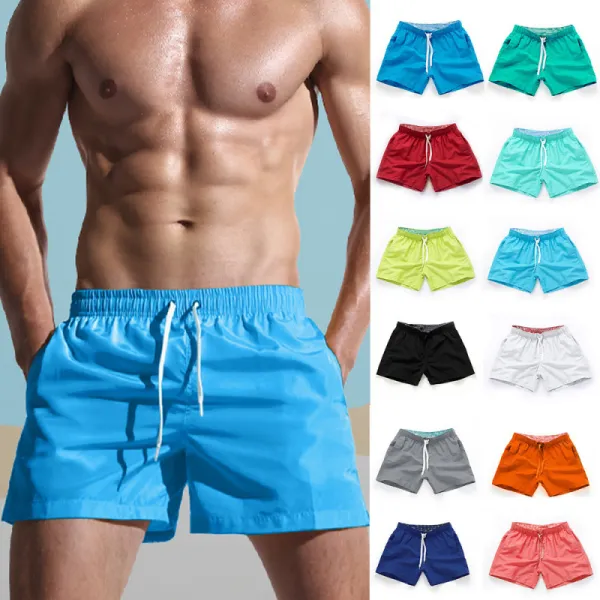
Sustainability is not limited to women’s swimwear. Wholesale men swimsuits are also being reimagined through an eco-conscious lens. Men’s swim trunks and performance swimwear now frequently incorporate recycled fabrics combined with quick-dry technology and reinforced stitching. Consumers expect durability, comfort, and responsible production in equal measure. For retailers, offering sustainable men’s swimwear supports brand credibility and meets the expectations of a growing segment of environmentally aware customers.
Children’s swimwear is another area where eco materials are making a strong impact. Parents are increasingly cautious about what touches their children’s skin and how products are made. Wholesale girl swimsuits produced with non-toxic dyes, soft recycled fabrics, and ethical labor practices are becoming more desirable. Sustainability in kids’ swimwear goes beyond environmental benefits; it also reflects safety, comfort, and trust. Brands that emphasize these values often build stronger emotional connections with customers.
Custom swimwear plays a crucial role in the sustainability movement. Customization allows brands to reduce waste by producing styles based on actual demand rather than speculative forecasts. With eco materials, custom swimwear also enables brands to tell a compelling story through unique prints, cuts, and branding that reflect environmental values. While custom orders may require higher upfront planning and coordination, they often result in better inventory control and higher perceived value.
Production processes are also evolving alongside eco materials. Many factories now focus on reducing water consumption, minimizing chemical use, and optimizing energy efficiency. Digital printing techniques, for example, allow for vibrant designs with less water waste compared to traditional dyeing methods. For buyers sourcing wholesale swimsuits, understanding these production improvements helps differentiate truly sustainable options from superficial marketing claims.

Cost considerations remain important, but sustainability is reshaping how value is defined. Eco-friendly materials can increase unit costs, yet they often lead to better product longevity and stronger brand loyalty. Consumers are increasingly willing to pay slightly more for swimwear that aligns with their values. For retailers, this translates into healthier margins and reduced return rates, as high-quality sustainable products tend to perform better over time.
Transparency has become a key expectation in sustainable swimwear sourcing. Brands want clear information about where materials come from and how products are made. Wholesale bikinis suppliers that provide certifications, traceability, and open communication build trust and credibility. This transparency is especially critical for brands selling internationally, where regulatory and consumer scrutiny continues to increase.
Design innovation is another outcome of the shift toward sustainability. Eco materials have inspired new textures, finishes, and construction techniques that enhance both style and performance. Sustainable wholesale men swimsuits now feature lightweight recycled fabrics with enhanced breathability, while wholesale girl swimsuits often emphasize soft linings and flexible fits. Sustainability is no longer a limitation but a driver of creativity in swimwear design.
The influence of sustainability also extends to packaging and logistics. Many brands now pair eco-friendly swimwear with recycled or biodegradable packaging to reinforce their commitment. While packaging may seem secondary, it contributes to the overall customer experience and brand perception. Buyers who source wholesale swimsuits increasingly consider packaging options as part of their sustainability strategy.
In the wholesale market, sustainability is reshaping buyer–supplier relationships. Instead of switching suppliers frequently based on price, brands are forming longer-term partnerships with manufacturers who share their environmental goals. These collaborations often lead to better product development, more consistent quality, and improved responsiveness to market trends. For custom swimwear projects, this partnership approach is particularly valuable, as it allows for ongoing refinement and innovation.
Looking ahead, sustainable swimwear is expected to become the industry standard rather than an alternative option. As eco materials become more accessible and production methods continue to improve, the gap between conventional and sustainable swimwear will continue to narrow. Brands that invest early in sustainable wholesale swimsuits position themselves as leaders in a market increasingly shaped by environmental awareness.
Eco materials are fundamentally reshaping how swimwear is sourced, produced, and marketed. From wholesale bikinis suppliers to manufacturers of wholesale men swimsuits and wholesale girl swimsuits, sustainability is influencing every stage of the supply chain. Custom swimwear further amplifies these changes by enabling thoughtful production and brand differentiation. For buyers and brands, embracing sustainable swimwear is not just an ethical choice, but a strategic decision that supports long-term growth, resilience, and relevance in a changing global market.


Comments
Post a Comment